
C9500-16X-E vs C9500-40X-E
Compared products: C9500-16X-E, C9500-40X-E
Overview
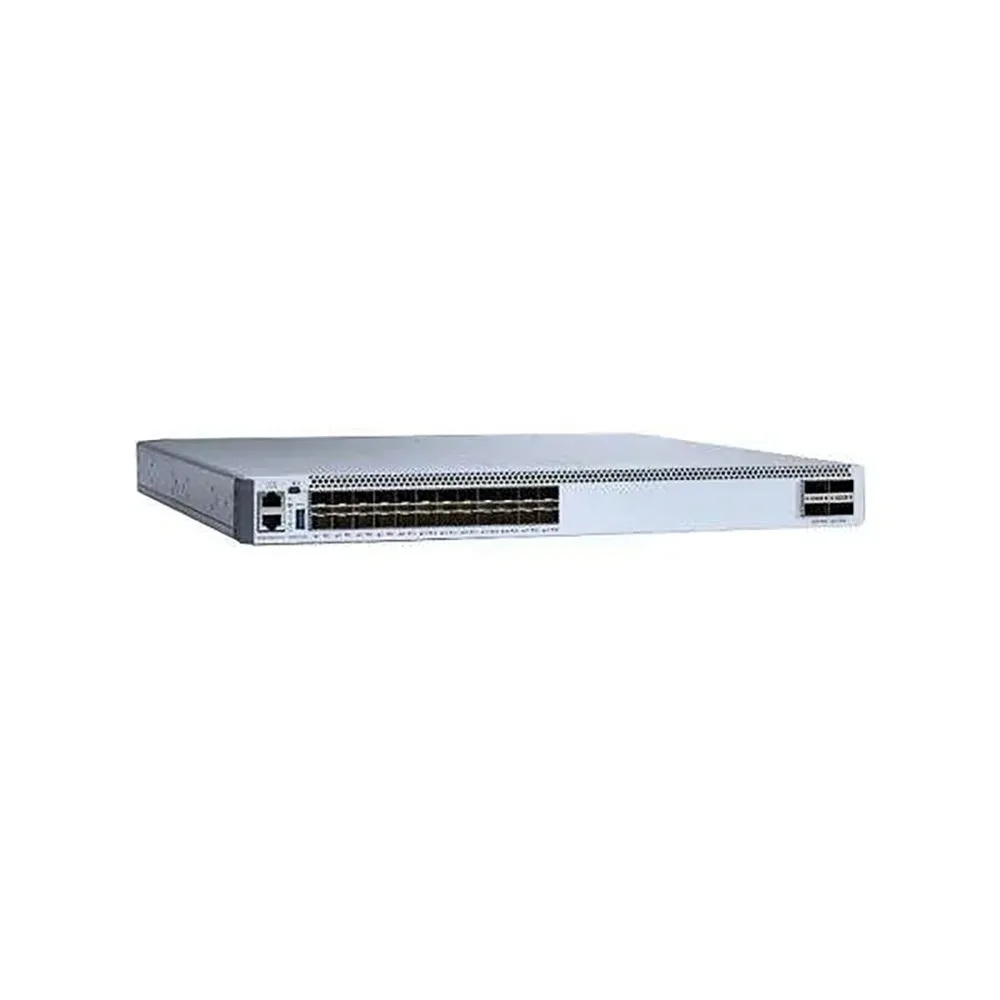
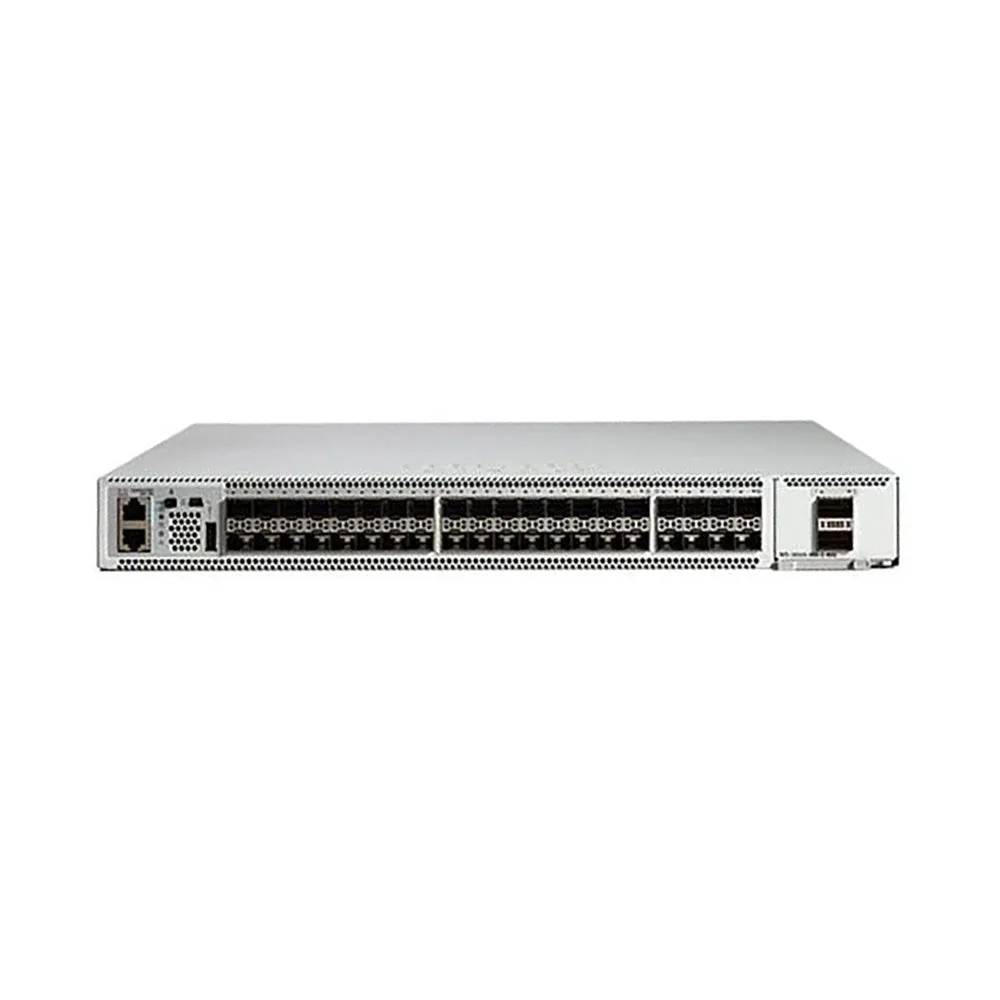
Both are Catalyst 9500 fixed 10G Network Essentials switches. One has sixteen fixed SFP+ ports plus a modular uplink path. The other has forty fixed SFP+ ports. Neither is universally better.
Positioning
- C9500-16X-E: sixteen fixed 10G SFP+ ports with modular uplink options (C9500-NM-8X or C9500-NM-2Q).
- C9500-40X-E: forty fixed 10G SFP+ ports for high native density on one chassis.
Full procurement comparison
| Field | C9500-16X-E | C9500-40X-E |
|---|---|---|
| Network role | Core | Core |
| Faceplate | 16 × 10G SFP+ | 40 × 10G SFP+ |
| Modular uplink listed | C9500-NM-8X or C9500-NM-2Q | Confirm on quote |
| Capacity | Up to 480 Gbps full-duplex | Up to 960 Gbps full-duplex |
| Forwarding | Up to 360 Mpps | Up to 720 Mpps |
| Resiliency | StackWise Virtual language | StackWise Virtual |
| PSU | 950 W AC; optional 1+1 | PWR-C4-950WAC-R front-to-back |
| Dimensions | ~1.73 × 17.5 × 21.52 in | ~1.73 × 17.5 × 21.52 in |
| Weight | ~23.6 lb | Confirm on quote |
| PoE | Non-PoE | Non-PoE |
Do not pick 40X only because capacity is higher if sixteen ports cover the optic plan.
Optics and modules
- Budget 10G optics from lit port count.
- On 16X, name C9500-NM-8X or C9500-NM-2Q explicitly.
- Do not invent breakout compatibility — confirm peers on the quote.
Rack and power
- Plan ~21.5 in depth for both.
- Confirm front-to-back airflow and 1+1 PSU if required.
When 16X makes more sense
- Day-one lit ports stay near sixteen.
- You need the modular uplink path (8X or 2Q class).
- Budget should not buy forty empty 10G ports.
- Weight/install path prefers the listed ~23.6 lb class platform.
When 40X makes more sense
- You need many more than sixteen native 10G ports now.
- Consolidating multiple lower-density 10G switches is an explicit goal.
- Fabric math needs the denser faceplate on one fixed chassis.
Expansion / consolidation
Fewer higher-density devices (40X) reduce hop count but raise day-one port/optic spend. Lower-density 16X platforms stay efficient when growth is modest. Write both day-one and 12–24 month port counts on the RFQ.
FAQ
Is there a universal winner?
No. Match port density first.
Does higher Tbps mean I should buy 40X?
Not by itself. If sixteen ports cover the design, stay on 16X.
Which modules does 16X list?
C9500-NM-8X or C9500-NM-2Q — confirm one on the quote.
Are dimensions the same?
Both list about 1.73 × 17.5 × 21.52 in on authorized data.
PoE?
Both are Non-PoE.
Where is the buying guide?
16X vs 40X article · Request a quote