
CE8850-32CQ-EI vs CE8850-64CQ-EI
Compared products: CE8850-32CQ-EI, CE8850-64CQ-EI
Overview
Both are Huawei CloudEngine CE8850 fixed 100G switches. One has 32 ports. The other has 64. Neither is universally better — choose by port density, rack envelope, and optic plan.
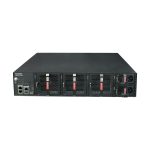
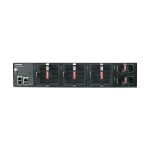
Positioning
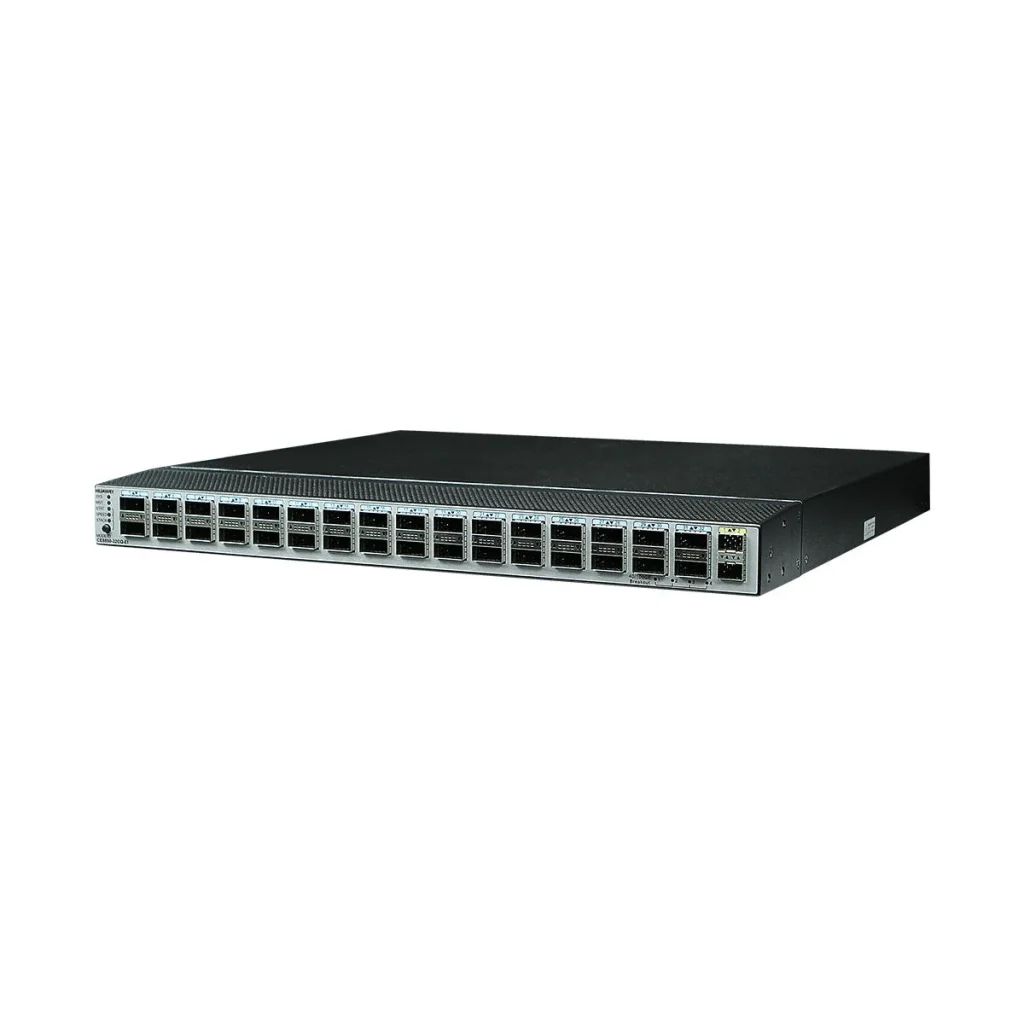
- CE8850-32CQ-EI: fixed 100G CloudEngine faceplate for designs that fit about thirty-two 100G ports, with two additional 10GE ports on the listing.
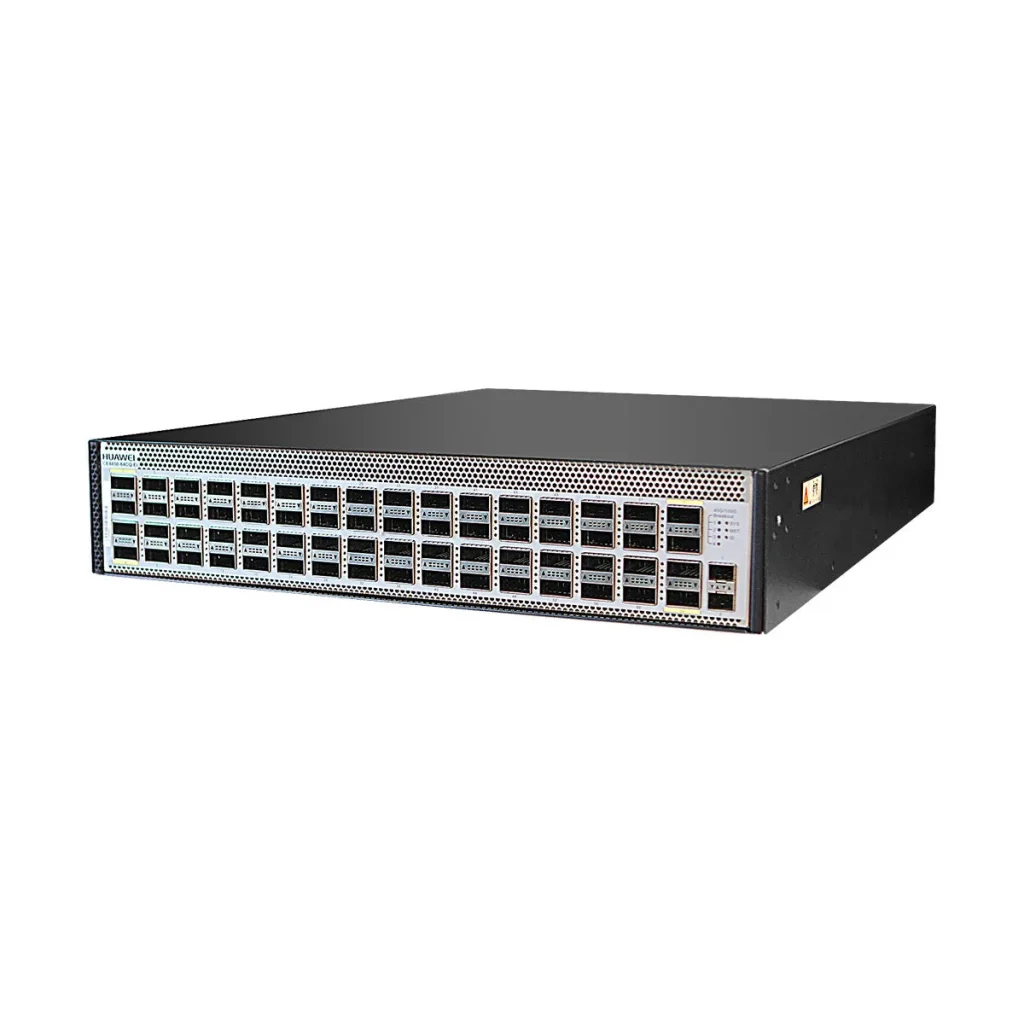
- CE8850-64CQ-EI: fixed full 64 × 100GE faceplate when every working port on the switch must be 100G and density doubles the 32CQ row.
Both stay in the 100G QSFP28 generation. Neither replaces a 400G spine such as RG-S6980-64QC.
Faceplate difference and port density
| CE8850-32CQ-EI | CE8850-64CQ-EI | |
|---|---|---|
| 100G ports | 32 × 100GE QSFP28 | 64 × 100GE QSFP28 |
| Other ports on listing | 2 × 10GE | No separate uplink row — all working ports are 100G |
| Practical density | One chassis for ~32 lit 100G links | One chassis for ~64 lit 100G links |
Doubling port count is not free: the 64CQ listing uses a deeper, taller envelope and higher weight. Density decisions are also rack decisions.
Full procurement comparison
| Field | CE8850-32CQ-EI | CE8850-64CQ-EI |
|---|---|---|
| Network role | Data Center | Data Center |
| Faceplate | 32 × 100GE QSFP28 + 2 × 10GE | 64 × 100GE QSFP28 |
| Switching capacity | 6.4 Tbps | 12.8 Tbps |
| Forwarding rate | 3,200 Mpps | 4,482 Mpps |
| Stacking | iStack up to 16 | iStack up to 16 |
| PSU | Dual hot-swap | Dual hot-swap |
| Dimensions | ~442 × 420 × 43.6 mm | ~442 × 600 × 86.1 mm |
| Approximate RU class | ~1U height class | ~2U class |
| Depth | ~420 mm | ~600 mm |
| Weight | ≤ 9 kg | ≤ 22.2 kg |
| PoE | Non-PoE | Non-PoE |
Do not pick 64 ports only because Tbps is higher if thirty-two ports cover the optic plan.
Capacity and forwarding scale with the denser faceplate. Use them to sanity-check fabric math after port count is set — not as a standalone “winner” metric.
Optics planning
- Both PIDs are QSFP28 / 100G-class on the primary faceplate. Plan optic count from lit ports, not from empty ports “just in case” without budget.
- 32CQ also lists 2 × 10GE — include those optics only if the design uses them.
- 64CQ has no separate uplink field on the listing; every working port is 100G — budget QSFP28 accordingly.
- Do not invent breakout or transceiver compatibility here. Confirm peer ports and optic SKUs with documentation on the quote.
Rack / deployment considerations
- 32CQ: shallower ~420 mm depth and ~1U-class height favor tighter rows and lower weight lifts.
- 64CQ: plan ~600 mm depth, ~2U-class height, and up to ~22.2 kg — confirm rails and airflow direction.
- Both list dual hot-swap PSU — state airflow and PSU preference on the RFQ.
- iStack up to 16 appears on both listings — confirm stack cables and member roles if stacking is in scope.
When 32CQ makes more sense
- Day-one lit 100G ports stay near thirty-two.
- You need the two 10GE ports on the 32CQ faceplate.
- Rack depth or RU budget favors the shallower / lower chassis.
- You prefer lower weight for the install path.
- Budget should not buy sixty-four empty 100G ports “for later” without a dated expansion plan.
- You are comparing inside Huawei CE8850 and the optic plan is still 100G — not jumping to 400G.
When 64CQ makes more sense
- You need sixty-four native 100G ports on one fixed switch now.
- Consolidating two lower-density 100G switches into one faceplate is an explicit design goal.
- 400G optics are not in this phase — stay on QSFP28.
- You can accept the deeper 2U-class envelope and higher weight.
- Fabric math needs the denser 100G faceplate rather than another chassis hop.
Expansion / consolidation considerations
Buyers often choose between:
- Fewer higher-density devices (one CE8850-64CQ-EI) — simpler fabric hops, more ports per chassis, larger rack/power envelope.
- Lower-density footprint (one or more CE8850-32CQ-EI) — smaller chassis, possibly more devices to manage if port count grows.
There is no universal answer. Write the day-one lit port count, the 12–24 month expansion count, and the rack constraints on the RFQ so the shortlist can stay honest.
FAQ
Is higher capacity always better?
No. Match port count and optic plan first. 12.8 Tbps on 64CQ does not help if thirty-two ports cover the design.
Does 64CQ include separate uplinks?
On this listing there is no separate uplink row — all working ports are 100GE QSFP28. 32CQ lists 32 × 100GE plus 2 × 10GE.
Can I stack them?
Both listings show iStack up to 16. Confirm stack cables, software train, and member roles on the quote.
Which is shallower in the rack?
CE8850-32CQ-EI lists about 420 mm depth. CE8850-64CQ-EI lists about 600 mm depth.
Where does 400G belong?
On a 400G faceplate such as RG-S6980-64QC, not by stretching either 100G CE8850 PID.
Is there a universal winner?
No. 32CQ and 64CQ solve different density and rack envelopes inside the same 100G generation.
64×100G vs 64×400G article · 100G fixed buying guide · Request a quote